كنيسة سيّدة الغسّالة - القبياتبُنيت الكنيسة الأولى بالقرب من قناة جرًّ للمياه، كانت نساء القرية يغسلن ثيابهنّ بقربها أيّام السبوت، لذلك سمّي الموضع الغسّالة وحملت الكنيسة إسم سيّدة الغسّالة. بُنيت الكنيسة الحاليّة سنة ١٩٢٧ بمسعى من أبناء البلدة المغتربين. تتميّز الكنيسة أنّها مكسوّة الداخل بالكامل بالنقوش، تحوي عدّة جداريّات فريدة كجداريّة الذبيحة الإلهيّة حيث يظهر الكأس يعلوه النجم، وجداريّة الصدقة.The church of Our Lady of Ghassala - KobayatThe first church was built on a site near an aqueduct where the village’s ladies used to wash their laundry hence the name in Arabic Ghessele invoking laundry washing. The first church held the name of the site. In 1927 the new church was built with donations made by Kobayaty expats. The church is covered on the inside with painted stucco. The church holds distinctive unique frescoes such as the fresco of the Holy Sacrifice with the distinctive oriental liturgical altar paraments, and the fresco of the alm.
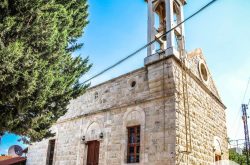
بُنيت الكنيسة بعد قدوم آل الكك الى دير القمر وتركهم بلدة دميت، وأُكمل البناء سنة ١٦٨٤. الكنيسة وقف لآل الكك، رُمّمت ووُسّعت على عدّة مراحل. تتميّز الكنيسة بمذبح مار أنطونيوس الكبير وهو ذكر من كنيسة دميت الأثريّة، وأيقونة مار جرجس الشهيد.
St. George’s church - Deir el Qamar
The church was built by the Kek family after they came to Deir el Qamar from Dmit, and completed in 1684. It is a private family chapel restored on many occasions. The church holds a side altar of St. Anthony the Great, reminiscent of the historic church in Dmit, and a local icon of St George.
Old twin church St Takla & Stephan, Chamat, Lebanon
كنيسة مار تقلا ومار أسطفان شامات
1230
Chamate
Jbeil
Mount Lebanon
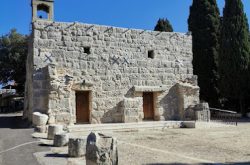
هي كنيسة مزدوجة، قديمة جدٍّا، تقوم على أنقاض هيكلٍ وثنيّ، على إسم مار تقلا ومار إسطفان. لا يمكن تحديد زمن تحوُّلها من هيكلٍ وثنيّ ٍالى كنيسة، إنّما نستطيع ان نردّ هذه المرحلة تقريبيًّا الى العهد البيزنطيّ، إستنادًا إلى طريقة تنسيق الفسيفساء التي وُجدت في أرضها. وقد بقي من آثار الهيكل الوثنيّ أعمدة ذات أطنافٍ من الطراز الأيوني والدُوري قائمة داخلَ الكنيسة وخارجَها. وقد وُجد في هذه الكنيسة أحد الكتب البيعيّة الذي كُتب على هامشه أنّ البطريرك دانيال الشاماتي(1230-1239) قد كرَّس هذه الكنيسة، وحفر رسم الصليب على احد حجارتها تذكارًا لهذا التكريس. الكنيسة عبارة عن سوقَين تفصل بينهما قنطرتان، وفي كل سوقٍ منهما حنيَّة. وفيها مذبحان هما عبارة عن لوحٍ حجريّ يقوم على قاعدة عامودٍ ضخم. فلوحة مار تقلا ترتفع فوق الإفريز الحجريّ، وهي مرسومة بيد كنعان ديب، مؤرّخة سنة 1863. امّا اللوحة التي تمثّل مار إسطفان فهي من دون تاريخ، وترتفع على الحائط الجنوبي للكنيسة لوحة زيتية للسيّدة العذراء تحملها الملائكة، وهي من دون توقيع ولا تاريخ. وفي الماضي كان هناك رواق حجريّ ذو عقدَين يغطّي مسافةً أمام الكنيسة ولا تزال بقاياه بارزة. ولهذه الكنيسة بابان يقومان في جهتها الغربية. أما أعتابهما فهي عبارة عن اجزاء من أغطية نواويس حجرية يبرز في احدها حفرٌ متقنٌ لرأسَي عجلَينَ.
It is a rare double church, built over the ruins of a pagan temple, dedicated to St Thekle and St Stephen. It is hard to pinpoint the exact time of the conversion, yet the mosaic can help us date the church back to the Byzantine era. The leftovers of the pagan temple are some ionic and doric columns. The Maronite Patriarch Daniel of Chamat (1230-1239) dedicated the church and inscribed his dedication with a cross on the wall. The church consists of two naves separated by a set of columns ending with apses with two altars dedicated to both saints respectively. In the shrine of St Thekle stands her painting by the famous Kanaan Dib and dates back to 1863. Two other paintings adourne the church, both not signed and not dated, one for our lady the other for St Stephen. In front of the church stood once a narthex now in ruins. On the western wall are the two main doors over one of them is an old sarcophagus covered with two intercately carved bulls.
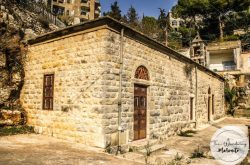
كان البناء أساسًا جزءً تابعًا للقلعة العثمانيّة القريبة منه، إشتراه أهل البلدة وحوّلوه إلى كنيسةٍ كرّسها المطران بولس بصبوص سنة ١٩١١. البناء كناية عن سوقٍ واحد مسقوفٍ بالقرميد. رُمّمت سنة ٢٠٠٥. تحوي الكنيسة لوحةً للعذراء محليّة الصنع تعرّضت للضرب بالرصاص خلال الحرب العالميّة الأولى.
The old church of Our Lady - Sarba el Nabatieh
The building was originally a part of the nearby Ottoman castle, the villagers bought it and converted it into a church that was consecrated by Bishop Boulos Basbous in 1911. The church consists of a single nave with a brick roof, it was renovated in 2005. In the church is displayed a local painting of the Madonna that holds marks of Ottoman bullets from World War I.




Reviews are disabled, but trackbacks and pingbacks are open.